|
AIR SAMPLER EVALUATION (ANSI 104-1998) Part I - SUMMARY of TESTS – A Chlorofluorocarbon (bp 15° C) |
Methods described here are referenced to numbered documents which specify details of the methods. Statistical results of the tests are reported in the following sections.
Sections 1 - 4 of ANSI/SEI 104-1998 are as follows:
Sections 5 and 6 describe the test method and procedures of validation. Descriptions and related data follow.
5. Test Apparatus & Method (Method AT-EXP-2)
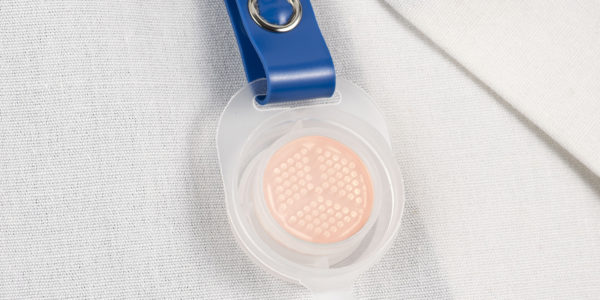
Stock standard gas was created by static dilution from 100% analyte, mixed volumetrically with input air pumped at a pre-set flow rate through an inert polypropylene chamber containing Diffusive Samplers under test. Flow was verified by in-line rotameter and analyte concentrations were verified by charcoal tube samples continuously drawn from locations in the chamber bracketing the Samplers under test. Assay Technology Sampler No 548 incorporating a polyacetal Sampling Grid with four (4) tubular sampling channels, a 200 mg charcoal (coconut) wafer, and a Wafer Dish and Sampler Cap made of polyester.
6.2 De-Sorption Efficiency (DE) (Method AT-DE-1)(forward)Analyte recovery and de-sorption efficiency determined by analysis (Method AT541) of charcoal wafers "spiked" from standard analyte solutions in methylene chloride. Samplers were tested at several "spike" levels cor-responding to levels expected for 8-hr Sampler exposures at 0.1-2.0 times the internal Exposure Limit (EL) of 300 ppm. An average recovery for this chlorofluorocarbon from the Assay Technology charcoal sampler was 96%, over the range of 50-200 m g/sample. Results in Table 6.2.
Table 6.2 % Recovery
(De-Sorption Efficiency)
|
Analyte Name |
Amount Spiked |
Amount Recovered |
% DE |
Date |
|
(ug/sample) |
(ug/sample) |
|||
|
Chlorofluorocarbon |
50.0 |
37.0 |
74% |
Mar-00 |
|
0.1 x EL |
50.0 |
37.0 |
74% |
Mar-00 |
|
" |
50.0 |
40.0 |
80% |
Mar-00 |
|
" |
50.0 |
45.0 |
90% |
Mar-00 |
|
" |
50.0 |
44.0 |
88% |
Mar-00 |
|
" |
50.0 |
44.0 |
88% |
Mar-00 |
|
Average recovery |
82% |
|||
|
Chlorofluorocarbon |
253 |
252 |
100% |
Mar-00 |
|
0.5 x EL |
253 |
252 |
100% |
Mar-00 |
|
253 |
251 |
99% |
Mar-00 |
|
|
253 |
250 |
99% |
Mar-00 |
|
|
Average recovery |
96% |
|||
|
Chlorofluorocarbon |
496 |
486 |
98% |
Mar-00 |
|
1.0 x EL |
496 |
487 |
98% |
Mar-00 |
|
496 |
516 |
104% |
Mar-00 |
|
|
496 |
518 |
104% |
Mar-00 |
|
|
496 |
450 |
91% |
Mar-00 |
|
|
496 |
441 |
89% |
Mar-00 |
|
|
Average recovery |
97% |
|||
|
Chlorofluorocarbon |
908 |
971 |
107% |
Mar-00 |
|
2.0 x EL |
908 |
948 |
104% |
Mar-00 |
|
908 |
1058 |
117% |
Mar-00 |
|
|
908 |
1065 |
117% |
Mar-00 |
|
|
908 |
936 |
103% |
Mar-00 |
|
|
908 |
929 |
102% |
Mar-00 |
|
|
Average recovery |
108% |
Table 6.2
(a) De-Sorption Method = Forward
(b) De-Sorption Solvent = 97% Carbon disulfide + 3% Benzyl alcohol
(c) De-Sorption Volume = 2 ml
(d) Media = Assay Technology Monitor AT548
6.3 Effect of Concentration/Time on Sampler Accuracy
Samplers were subject to chamber exposures as described in Section 5. then analyzed by Method AT541. Exposures were applied to Samplers in the range 1-8 hours and 0.1-2.0 times the EL of 300 ppm. For this evaluation, the sampling rate for this Chlorofluorocarbon using the Assay Technology sampler was determined to be 0.50 ml/minute. Results in Table 6.3.
Table 6.3 Uptake Rate Determination
|
Analyte: |
CFC (bp 15° C) |
134 |
= MW |
RUN AVE |
|||||
|
RUN |
TIME |
TIME |
REF CONCN |
Ref Exp |
REF EXP |
ug/MONITOR |
REF EXP |
ANALYTE |
|
|
(min) |
(hr) |
(ppm) |
(ppm-hr) |
(ppm-hr) |
(ug) |
(ppt-min) |
(uliter) |
||
|
1 |
15 |
0.25 |
1366 |
342 |
|||||
|
|
15 |
0.25 |
1095 |
274 |
|||||
|
15 |
0.25 |
1011 |
253 |
||||||
|
15 |
0.25 |
1149 |
287 |
289 |
48 |
17.33 |
9 |
||
|
|
|||||||||
|
2 |
120 |
2.00 |
1044 |
2088 |
|||||
|
|
120 |
2.00 |
1018 |
2036 |
|||||
|
120 |
2.00 |
1007 |
2014 |
||||||
|
120 |
2.00 |
1009 |
2018 |
2039 |
347 |
122.34 |
63 |
||
|
464 |
7.73 |
1056 |
8166 |
||||||
|
3 |
464 |
7.73 |
967 |
7478 |
|||||
|
|
464 |
7.73 |
790 |
6109 |
|||||
|
464 |
7.73 |
719 |
5560 |
||||||
|
464 |
7.73 |
927 |
7169 |
6897 |
1087 |
413.80 |
196 |
||
|
|
15 |
0.25 |
189 |
47 |
|||||
|
15 |
0.25 |
172 |
43 |
||||||
|
15 |
0.25 |
173 |
43 |
45 |
8 |
2.67 |
2 |
||
|
120 |
2.00 |
101 |
202 |
||||||
|
4 |
120 |
2.00 |
92 |
184 |
|||||
|
|
120 |
2.00 |
94 |
188 |
|||||
|
120 |
2.00 |
81 |
162 |
||||||
|
120 |
2.00 |
90 |
180 |
183 |
33 |
10.99 |
6 |
||
|
450 |
7.50 |
106 |
|||||||
|
5 |
450 |
7.50 |
101 |
||||||
|
|
450 |
7.50 |
87 |
653 |
|||||
|
450 |
7.50 |
101 |
758 |
||||||
|
6 |
450 |
7.50 |
105 |
788 |
733 |
133 |
43.95 |
24 |
|
|
15 |
0.25 |
432 |
108 |
||||||
|
15 |
0.25 |
389 |
97 |
||||||
|
|
15 |
0.25 |
342 |
86 |
|||||
|
15 |
0.25 |
358 |
90 |
||||||
|
7 |
15 |
0.25 |
378 |
95 |
95 |
15 |
5.70 |
3 |
|
|
120 |
2.00 |
519 |
1038 |
||||||
|
|
120 |
2.00 |
490 |
980 |
|||||
|
|
120 |
2.00 |
506 |
1012 |
1010 |
163 |
60.60 |
29 |
|
|
8 |
450 |
7.50 |
348 |
2610 |
|||||
|
450 |
7.50 |
353 |
2648 |
||||||
|
|
450 |
7.50 |
333 |
2498 |
|||||
|
450 |
7.50 |
355 |
2663 |
||||||
|
9 |
450 |
7.50 |
359 |
2693 |
2618 |
458 |
157.05 |
83 |
|
|
Least Squares Calcns |
|||||||||||
|
REF EXP |
Found |
||||||||||
|
(ppt-min) |
(uliter) |
||||||||||
|
17.33 |
8.51 |
||||||||||
|
122.34 |
62.58 |
||||||||||
|
2.67 |
1.40 |
||||||||||
|
6.36 |
5.88 |
||||||||||
|
43.95 |
23.96 |
||||||||||
|
5.70 |
2.79 |
||||||||||
|
60.60 |
29.56 |
||||||||||
|
157.05 |
78.60 |
||||||||||
|
Slope= |
Slope= |
||||||||||
|
0.50 |
0.51 |
||||||||||
|
|
6.4 Bias Due to Reverse Diffusion
Samplers were subject to Exposure Pulse (> OSHA PEL) with a duration less than 50% of the Recommended Sampling Time (RST) followed by a Zero Exposure Period (ZEP) for the duration of the RST. The recovery of analyte from Samplers analyzed immediately following Exposure Pulse was compared with analyte recovery from identically-exposed Samplers analyzed at the end of the RST (i.e. following the Zero Exposure Period). The difference between these two recoveries is taken as the extent of Reverse Diffusion (i.e. evaporative loss as % of Sample) from the Sampler under the experimental conditions chosen.
In practice, Bias Due to Reverse Diffusion will depend on the extent and duration of actual Exposure Pulses in the environment being monitored which cannot be exactly predicted in a lab test. For this evaluation, Bias Due to Reverse Diffusion was estimated as the extent of Reverse Diffusion (evaporative loss as % of Sample) when an Exposure Pulse at 1.0 times the EL is applied for 25% of the duration of the RST (2 hr) followed by a Zero Exposure Period of 100% of the RST (8 hr). Results in Table 6.4.
Table 6.4 Recovery of Initial Vapor Spike
After Zero Exposure Interval
(% Loss = "Reverse Diffusion")
|
Hrs Exposure at 0.0 ppm = |
0.00 |
8.00 |
|
|
Chlorofluorocarbon Found (ug) = |
131.7 |
126.0 |
|
|
Std Deviation = +/- |
5.75 |
5.96 |
|
|
Co-Eff Variation = +/- |
4% |
5% |
|
|
Chlorofluorocarbon Recovery |
100% |
96% |
![]() |
6.5 Background (Blank) Determination
Unexposed Samplers analyzed by Method AT541 to determine background Analyte levels (if any) on the Sampler prior to sampling. For this evaluation, no significant background values were attributed to the sampler or analytical method for this Chlorofluorocarbon. In addition, the Claimed Detection Limit (CDL) for this Chlorofluorocarbon was determined to be 1.0 m g/sample, equivalent to 0.7 ppm for an 8 hour sampling period. Results in Table 6.5.
Table 6.5 Background (Blank) Determination
|
Replicate |
ANALYTE |
EXPOSURE |
Chlorofluorocarbon |
||
|
NO. |
CONCN |
TIME |
FOUND in MONITOR |
||
|
(ppm) |
(hr) |
(ug/sample) |
(ppm) |
||
|
8hr TWA |
|||||
|
1 |
0 |
0 |
<1.0 |
<0.7 |
|
|
2 |
0 |
0 |
<1.0 |
<0.7 |
|
|
3 |
0 |
0 |
<1.0 |
<0.7 |
|
|
4 |
0 |
0 |
<1.0 |
<0.7 |
|
|
5 |
0 |
0 |
<1.0 |
<0.7 |
|
|
6 |
0 |
0 |
<1.0 |
<0.7 |
|
6.6 Effects of Air Velocity & Orientation
Samplers exposed to atmospheres of this Chlorofluorocarbon for 2 hrs at 1.0 times the EL (see Section 5) in a Chamber with 3 zones of different cross-sectional areas such that linear velocities of 20, 100, and 200 cm/sec, respectively, were generated. Samplers were placed in each zone with 50% of samplers placed normal to and 50% of Samplers perpendicular to the flow direction. When data were compared from these locations (representing normal air velocity and orientation variation in workplaces), no significant differences were found among the groups indicating the absence of an effect of Air Velocity & Orientation on Sampling Rate in the range 20-200 cm/sec. Results in Table 6.6.
Table 6.6 Effects of Air Velocity and Orientation
|
RUN |
SAMPLE |
ANALYTE |
EXPOSURE |
EVALUATION |
TEST RESULTS |
% OF |
||
|
NO. |
ID |
CONCN |
TIME |
PARAMETERS |
from MONITORS |
REFERENCE |
||
|
(ppm) |
(hr) |
Air Velocity |
Values |
Ave |
(%) |
(%) |
||
|
(Ref Method) |
and Orientation |
(ppm) |
(ppm) |
(+/-)(CV) |
||||
|
Reference Value = |
355 |
|||||||
|
1 |
Sample 1 |
- |
- |
308 |
- |
- |
87% |
|
|
Sample 2 |
- |
- |
20 cm/sec |
307 |
- |
- |
86% |
|
|
Sample 3 |
- |
- |
air velocity |
305 |
- |
- |
86% |
|
|
Sample 4 |
- |
- |
parallel to |
366 |
- |
- |
103% |
|
|
Sample 5 |
- |
- |
Monitor face |
304 |
- |
- |
86% |
|
|
Sample 6 |
- |
- |
325 |
- |
- |
92% |
||
|
355 |
2.0 |
- |
319 |
7.59 |
90% |
|||
|
Reference Value = |
355 |
|||||||
|
2 |
Sample 1 |
- |
- |
346 |
- |
- |
97% |
|
|
Sample 2 |
- |
- |
100 cm/sec |
336 |
- |
- |
95% |
|
|
Sample 3 |
- |
- |
air velocity |
326 |
- |
- |
92% |
|
|
Sample 4 |
- |
- |
parallel to |
331 |
- |
- |
93% |
|
|
Sample 5 |
- |
- |
Monitor face |
383 |
- |
- |
108% |
|
|
Sample 6 |
- |
- |
346 |
- |
- |
97% |
||
|
355 |
2.0 |
- |
345 |
5.91 |
97% |
|||
|
Reference Value = |
355 |
|||||||
|
3 |
Sample 1 |
- |
- |
393 |
- |
- |
111% |
|
|
Sample 2 |
- |
- |
200 cm/sec |
361 |
- |
- |
102% |
|
|
Sample 3 |
- |
- |
air velocity |
372 |
- |
- |
105% |
|
|
Sample 4 |
- |
- |
parallel to |
364 |
- |
- |
103% |
|
|
Sample 5 |
- |
- |
Monitor face |
352 |
- |
- |
99% |
|
|
Sample 6 |
- |
- |
555 |
- |
- |
156% |
||
|
355 |
2.0 |
- |
400 |
20.90 |
113% |
|||
|
Reference Value = |
1966 |
|||||||
|
4 |
Sample 1 |
- |
- |
2001 |
- |
- |
102% |
|
|
Sample 2 |
- |
- |
20 cm/sec |
2082 |
- |
- |
106% |
|
|
Sample 3 |
- |
- |
air velocity |
1813 |
- |
- |
92% |
|
|
Sample 4 |
- |
- |
parallel to |
2159 |
- |
- |
110% |
|
|
Sample 5 |
- |
- |
Monitor face |
1748 |
- |
- |
89% |
|
|
Sample 6 |
- |
- |
1878 |
- |
- |
96% |
||
|
1966 |
2.0 |
- |
1947 |
8.23 |
99% |
|||
|
Reference Value = |
1966 |
|||||||
|
5 |
Sample 1 |
- |
- |
1940 |
- |
- |
99% |
|
|
Sample 2 |
- |
- |
20 cm/sec |
2014 |
- |
- |
102% |
|
|
Sample 3 |
- |
- |
air velocity |
2026 |
- |
- |
103% |
|
|
Sample 4 |
- |
- |
perpendicular to |
1751 |
- |
- |
89% |
|
|
Sample 5 |
- |
- |
Monitor face |
1961 |
- |
- |
100% |
|
|
Sample 6 |
- |
- |
1896 |
- |
- |
96% |
||
|
1966 |
2.0 |
- |
1931 |
5.20 |
98% |
6.7 Effect of Temperature & Humidity
Samplers were exposed to atmospheres of this Chlorofluorocarbon for 2 hrs at 1.0 times the EL in several Chamber runs in which nearly identical exposures were applied with variations in temperature and humidity as follows: 10oC/10%RH, 10oC/70%RH, 40oC/10%RH, 40oC/70% RH. When data from the four conditions (representing normal temperature & humidity variation) were compared, no significant differences among the groups were found, indicating the absence of an effect of Temperature & Humidity on Sampling Rate in the range 10-40oC and 10-70% RH. Results in Table 6.7.
Table 6.7 Effects of Temperature & Humidity
|
RUN |
SAMPLE |
ANALYTE |
EXPOSURE |
EVALUATION |
TEST RESULTS |
% OF |
||
|
NO. |
ID |
CONCN |
TIME |
PARAMETERS |
from MONITORS |
REFERENCE |
||
|
(ppm) |
(hr) |
Temperature |
Values |
Ave |
(%) |
(%) |
||
|
(Ref Method) |
& Humidity |
(ppm) |
(ppm) |
(+/-)(CV) |
||||
|
Reference Value = |
837 |
|||||||
|
1 |
Sample 1 |
- |
- |
757 |
- |
- |
90% |
|
|
Sample 2 |
- |
- |
T = 10oC |
884 |
- |
- |
106% |
|
|
Sample 3 |
- |
- |
802 |
- |
- |
96% |
||
|
Sample 4 |
- |
- |
RH = 10% |
845 |
- |
- |
101% |
|
|
Sample 5 |
- |
- |
751 |
- |
- |
90% |
||
|
Sample 6 |
- |
- |
821 |
- |
- |
98% |
||
|
837 |
2.0 |
- |
810 |
6.34 |
97% |
|||
|
Reference Value = |
381 |
|||||||
|
2 |
Sample 1 |
- |
- |
477 |
- |
- |
125% |
|
|
Sample 2 |
- |
- |
T = 10oC |
430 |
- |
- |
113% |
|
|
Sample 3 |
- |
- |
379 |
- |
- |
99% |
||
|
Sample 4 |
- |
- |
RH = 70% |
478 |
- |
- |
125% |
|
|
Sample 5 |
- |
- |
546 |
- |
- |
143% |
||
|
Sample 6 |
- |
- |
448 |
- |
- |
118% |
||
|
381 |
2.0 |
- |
460 |
12.16 |
121% |
|||
|
Reference Value = |
426 |
|||||||
|
1 |
Sample 1 |
- |
- |
374 |
- |
- |
88% |
|
|
1 |
Sample 2 |
- |
- |
T = 40oC |
447 |
- |
- |
105% |
|
1 |
Sample 3 |
- |
- |
400 |
- |
- |
94% |
|
|
1 |
Sample 4 |
- |
- |
RH = 10% |
488 |
- |
- |
115% |
|
1 |
Sample 5 |
- |
- |
404 |
- |
- |
95% |
|
|
1 |
Sample 6 |
- |
- |
431 |
- |
- |
101% |
|
|
1 |
426 |
2.0 |
- |
424 |
9.52 |
100% |
||
|
Reference Value = |
472 |
|||||||
|
1 |
Sample 1 |
- |
- |
545 |
- |
- |
115% |
|
|
1 |
Sample 2 |
- |
- |
T = 40oC |
528 |
- |
- |
112% |
|
1 |
Sample 3 |
- |
- |
466 |
- |
- |
99% |
|
|
1 |
Sample 4 |
- |
- |
RH = 70% |
456 |
- |
- |
97% |
|
1 |
Sample 5 |
- |
- |
573 |
- |
- |
121% |
|
|
1 |
Sample 6 |
- |
- |
470 |
- |
- |
100% |
|
|
1 |
Monitor 541 |
472 |
2.0 |
- |
506 |
107% |
6.8 Effect of Storage
Identical sets of Samples were exposed for 2 hours at 1.0 times the EL and 70% RH. One set was analyzed immediately, followed by subsequent analysis of samples stored under ambient (22ºC) conditions at 7, 14 and 21 days. When data were compared from the four storage periods, no significant differences were found among the four groups indicating no detectable loss of analyte occurs for up to 21 days under ambient storage. Recommended Sample Holding Time = up to 7 days. See Table 6.8.
Table 6.8 Effects of Storage
(CFC bp = 15° C)
|
RUN |
SAMPLE |
ANALYTE |
EXPOSURE |
EVALUATION |
TEST RESULTS |
% OF |
||
|
NO. |
ID |
CONCN |
TIME |
PARAMETERS |
from MONITORS |
REFERENCE |
||
|
(ppm) |
(hr) |
Storage |
Values |
Ave |
(%) |
(%) |
||
|
(Ref Method) |
after Sampling |
(ppm) |
(ppm) |
(+/-)(CV) |
||||
|
Reference Value = |
426 |
|||||||
|
1 |
Sample 1 |
414 |
- |
- |
97% |
|||
|
1 |
Sample 2 |
466 |
- |
- |
109% |
|||
|
1 |
Sample 3 |
NO |
374 |
- |
- |
88% |
||
|
1 |
Sample 4 |
STORAGE |
434 |
- |
- |
102% |
||
|
1 |
Sample 5 |
436 |
- |
- |
102% |
|||
|
1 |
Sample 6 |
TIME (Days) |
429 |
- |
- |
101% |
||
|
1 |
2.00 |
0 |
- |
426 |
7.14 |
100% |
||
|
Reference Value = |
426 |
|||||||
|
1 |
Sample 1 |
488 |
- |
- |
115% |
|||
|
1 |
Sample 2 |
TEMP |
466 |
- |
- |
109% |
||
|
1 |
Sample 3 |
22oC |
397 |
- |
- |
93% |
||
|
1 |
Sample 4 |
412 |
- |
- |
97% |
|||
|
1 |
Sample 5 |
459 |
- |
- |
108% |
|||
|
1 |
Sample 6 |
TIME (days) |
438 |
- |
- |
103% |
||
|
1 |
2.00 |
7 |
- |
443 |
7.76 |
104% |
||
|
Reference Value = |
426 |
|||||||
|
1 |
Sample 1 |
386 |
- |
- |
91% |
|||
|
1 |
Sample 2 |
TEMP |
422 |
- |
- |
99% |
||
|
1 |
Sample 3 |
22oC |
365 |
- |
- |
86% |
||
|
1 |
Sample 4 |
380 |
- |
- |
89% |
|||
|
1 |
Sample 5 |
414 |
- |
- |
97% |
|||
|
1 |
Sample 6 |
TIME (days) |
402 |
- |
- |
94% |
||
|
1 |
Monitor 541 |
2.00 |
14 |
- |
395 |
5.48 |
93% |
|
|
Reference Value = |
426 |
|||||||
|
1 |
Sample 1 |
329 |
- |
- |
77% |
|||
|
1 |
Sample 2 |
TEMP |
425 |
- |
- |
100% |
||
|
1 |
Sample 3 |
22oC |
376 |
- |
- |
88% |
||
|
1 |
Sample 4 |
365 |
- |
- |
86% |
|||
|
1 |
Sample 5 |
394 |
- |
- |
92% |
|||
|
1 |
Sample 6 |
TIME (days) |
379 |
- |
- |
89% |
||
|
1 |
Monitor 541 |
2.00 |
21 |
- |
378 |
8.40 |
89% |
![]() |
6.9 Sampler Integrity
Samplers in sealed standard aluminum foil pouch packaging exposed to 1.0 times the EL for 2 hours, then analyzed. Results from analysis were not significantly different from results for un-exposed Samplers (blank values) demonstrating the integrity of Sampler packaging. Results in Table 6.9.
Table 6.9 Sampler Integrity
|
Replicate |
ANALYTE |
EXPOSURE |
Chlorofluorocarbon |
|
|
NO. |
CONCN |
TIME |
FOUND in MONITOR |
|
|
(ppm) |
(hr) |
(ug/sample) |
(ppm) |
|
|
8hr TWA |
||||
|
1 |
198 |
2 |
<1.0 |
<0.7 |
|
2 |
198 |
2 |
<1.0 |
<0.7 |
|
3 |
198 |
2 |
<1.0 |
<0.7 |
|
4 |
198 |
2 |
<1.0 |
<0.7 |
|
5 |
198 |
2 |
<1.0 |
<0.7 |
|
6 |
198 |
2 |
<1.0 |
<0.7 |
Summary Comments
Sampler 548 was evaluated for sampling this Chlorofluorocarbon, because preliminary experiments suggested that Samplers 541 and 546 would not retain this very volatile compound (bp » 15oC) during reverse diffusion tests. The overall accuracy expressed as Maximum Total Error (95% confidence) for sampling using Monitor 548 was +15%.
Concentration Range 0.1-2.0 times the OSHA PEL; 0.2-5.0 times the OSHA STEL
Sampling Time 15 min - 8 hour
Air Velocity 15-150 cm/sec
Temperature 10-40oC
Humidity 30-70% RH
Based on estimated Sampler-to-Sampler variation of +5%, Laboratory variation of +3%, and Exposure Chamber Variation of Error + 7%, less than 5% of the Maximum Total Error is attributed to Bias (i.e. systematic error). We have estimated the Bias Due to Reverse Diffusion as < 5%.
It is recommended that Sampler 548 be used within the envelope of conditions studied, but, in general, minor excursions outside these limits would be expected to have only minor effects. Due to the detection limit of PFP, lower levels or shorter sampling times could not be accommodated. Due to lack of detectable Reverse Diffusion for 8 hr zero exposure interval, increases in Concentration, Sampling Time, or Humidity above the limits described here could probably to tolerated with minimal error.
Prepared by: CR Manning, PhD, May 2000
ã Assay Technology Inc